-
Start by matching the job to an Everbilt jet pump
-
What is an impeller in a centrifugal pump? It’s the part to inspect first
-
Put a 3/4 ball valve on the same order
-
Include an Everbilt 5/16 in x 2 in zinc lag screw for the mount
-
Buy through a source that will take a return
-
When I don’t order an Everbilt pump
If you’re shopping for an Everbilt residential water pump because the old one stopped working, the smartest first move is to check the old pump before you place any order. That may sound basic, but I’ve watched experienced people skip it. A “no water pressure” call is often not a dead motor. It can be a worn impeller inside a centrifugal pump, a stuck check valve, or a pump that simply lost its prime. Replacing the entire pump should be the last resort, not the first reaction.
I’m not a pump engineer or a master plumber. I’m the office administrator who handles purchasing for a property-maintenance company. Since 2021 I’ve ordered water pumps, fasteners, valves, hinges, and brackets for residential and small commercial jobs—about 60 to 80 orders a year across eight or nine vendors. I have bought the wrong pump, returned the wrong parts, and paid for my own shortcuts. All of that taught me to slow down and verify before I spend other people’s money.
This article is the checklist I wish I’d had in 2021. It’s not a repair manual. It’s the pre-order review I use to keep our jobs from turning into return trips.
Start by matching the job to an Everbilt jet pump
For most of our above-ground installations, the Everbilt jet pump is what the crew expects. Jet pumps sit above the water source and pull water up using suction. They need to be primed before they’ll move water, and they are easier to service because the working parts are not buried down a well.
The trap is assuming one jet pump is basically the same as another. Horsepower, voltage, port sizes, and whether the model is set up for shallow-well or convertible use can all be different. I take a photo of the nameplate on the failing pump before I open a product page. If there’s no readable nameplate, I have the crew measure the port sizes and read the motor data plate. Ten minutes of checking has saved us multiple return trips.
What is an impeller in a centrifugal pump? It’s the part to inspect first
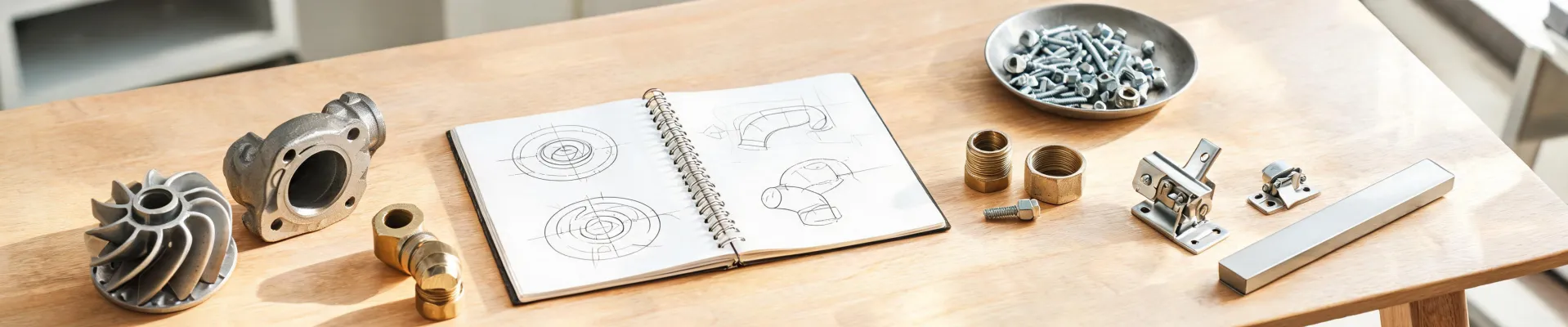
An impeller is the spinning piece inside a centrifugal pump that moves water. Picture a flat disc with curved fins. The motor spins the impeller, which pulls fluid into the center of the pump and pushes it outward to the discharge port. In a jet pump, this same centrifugal action creates the flow that sends water into the rest of the system.
When the impeller is cracked, the fins are worn flat, or the gap around it is packed with sediment, the pump may still run. It just won’t produce the pressure it should. That looks like a bad pump. It sounds like a bad pump. But it isn’t always a bad pump.
You don’t need to be a pump expert to check an impeller. Once the pump is unplugged and the pressure is released, removing the housing on most above-ground pumps lets you see the impeller. Look for cracks, missing chunks, or fins that no longer have a defined edge. If you’re not comfortable doing that, ask a technician to send you a photo before they quote a replacement. That request is easy, and it keeps the purchase grounded in what’s actually wrong.
I only believe this because I ignored it once. A technician told me to order a repair kit for a pump our crew called dead. I argued and bought a full replacement pump instead. When we opened the old housing, the impeller was cracked in two places. The repair kit would have solved the water-pressure complaint, and the replacement pump sat in our storage room for months before we found a use for it. Now I ask for the impeller photo before I approve the big purchase.
Put a 3/4 ball valve on the same order
Once the right pump is picked, think about the next time someone has to service it. In many residential pump setups, a 3/4 ball valve on the discharge side lets a technician shut off the pump side of the system without draining the whole building. When you’re already inside the repair, adding that valve takes minutes. Adding it later means draining the line again.
I almost wrote “a 3/4 ball valve is the right size.” The honest answer is to check the actual pipe size. Some pump discharge connections are 1 inch. Some are smaller. The goal is to install an isolation ball valve that fits, not to force a 3/4 ball valve into a line that wasn’t built for it.
Include an Everbilt 5/16 in x 2 in zinc lag screw for the mount
A pump that isn’t mounted solidly will vibrate, shift, and eventually cause premature wear. When our team mounts a small pump to a wooden base or wall plate, I add an Everbilt 5/16 in x 2 in zinc lag screw to the order. It’s a coated steel lag screw with enough length to bite securely into standard framing lumber when you drill a pilot hole first.
I ignored mounting hardware once and used drywall screws from the supply closet because they were already there. The bracket worked loose, the float switch hung up, and the callback cost us more than the correct screws would have cost. Zinc-coated lag screws are not the most exciting part of the order, but they are the part I no longer skip.
Buy through a source that will take a return
Everbilt is a Home Depot house brand, so our orders usually go through the Pro Desk or the website. I’m not going to pretend returns never happen. What saves us is keeping the receipt, the original box, and a photo of the old pump’s nameplate. If a new part doesn’t fit, that paperwork turns a painful return into a simple exchange and keeps the repair from stalling for another week.
When I don’t order an Everbilt pump
For a standard shallow-well or booster pump job, Everbilt is my default. But I don’t default to it for a deep-well submersible with a specialized control box or a custom high-pressure irrigation system. Those projects go to a pump supplier who can match the existing setup. That’s not a criticism of the brand. It’s a boundary around my buying checklist.
One time-related note: I’m basing this on what I’ve ordered through early 2026. Everbilt refreshes models, so double-check current part numbers and specs before checkout. The pump on the shelf next season may be slightly different, and that’s why the old pump’s nameplate matters more than any blog opinion.
One more boundary: my direct experience is mostly with smaller residential pumps, typically Everbilt jet pumps in the 1/2 to 3/4 horsepower range for rental properties and small commercial spaces. If you’re sizing a brand-new system for a large facility or an unusual well depth, hand that job to a pump designer. My checklist keeps a buyer from ordering the wrong replacement. It doesn’t replace a system design.

Maren Jorgensen
Maren Jorgensen is an independent hand tool and torque applications analyst covering wrenches, pliers, screwdrivers, hammers, sockets, ratchets, hex keys, and tool sets. She applies ISO 6789-1 torque-tool conformance principles while examining jaw capacity, leverage, fastener engagement, torque range, accuracy, handle geometry, and material hardness. Her practical guides help tradespeople and procurement teams select suitable tools, plan controlled tightening, and compare durability without relying on brand reputation alone.