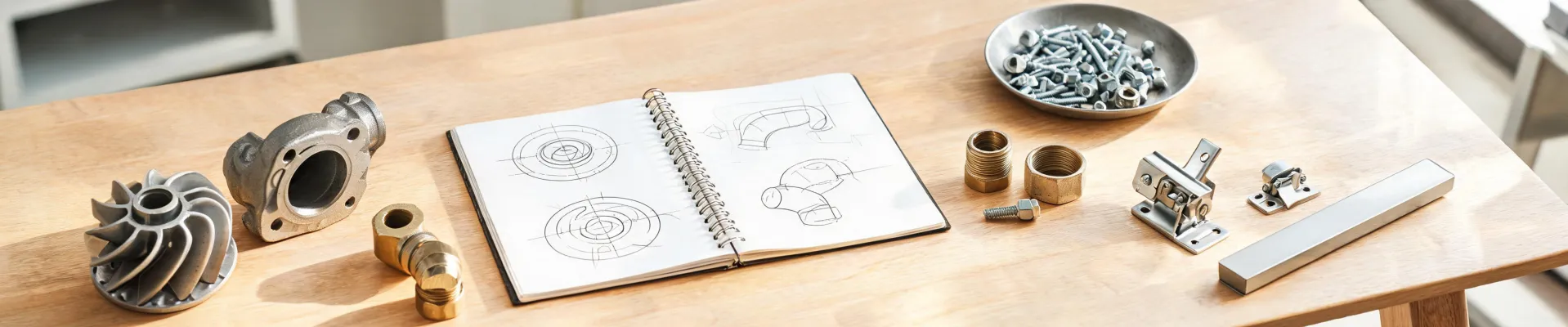
Sunday afternoon in the parts room
February 2024. We kicked off a 32-unit apartment washer retrofit — in-unit laundry hookups for a mid-rise we manage. Budget: $18,000. Timeline: two weeks. The contractor came recommended.
My job is quality and brand compliance. Translation: nothing reaches a tenant until I sign off on it. Over four years I've reviewed 200+ facility projects, and in 2023 I rejected about 11% of first-pass deliveries. Not nitpicking — specs didn't match. Details fell short. That stuff shows up on a building's reputation fast.
The contractor handed me a spec sheet. I skimmed it. Drainage pump was an Everbilt 1/6 HP submersible utility pump. It was $40 cheaper than the other option. I signed it. Didn't pull up the manual.
That single lazy move cost me a weekend in a storage room.
Half-installed, the pump didn't feel right
First unit fired up with a grinding noise. Second one ran, but the drainage was visibly slower than expected. The contractor said "it just needs a break-in period."
I didn't argue. But something bugged me.
Monday morning, I pulled up the Everbilt 1/6 HP submersible utility pump manual and read the head-height chart line by line. The vertical lift on our drainage run was about 9 feet, plus 15 feet of horizontal. According to the pump curve, effective flow at that configuration drops nearly 30% versus zero-lift conditions.
Nobody ran that calculation during selection.
The manual spelled it out. I just hadn't read it.
"Spec compliance isn't a nice-to-have. It's the floor. The customer can't see that you saved $40 — but they can hear a slow drain, feel the vibration, and log the repair ticket." — later written into our team's quality handbook.
We swapped to a higher-head model. Cost: two days of delay, roughly $400 in extra parts and labor, plus one very uncomfortable phone call walking back my own sign-off.
The drawer slides and the lag bolt question
Two other things went sideways that same week.
First: the crew mounted the vanity drawer slides by eye. Two out of three rails ended up misaligned. I stopped them and made everyone re-read the undermount drawer slides instructions. The spec was right there — bottom thickness, pilot hole positions, screw length. Not a bad manual. Just nobody reading it. Rework ate an entire afternoon.
Second: the guys were about to bolt an apartment washer baseplate to a wood subfloor with regular wood screws. I asked them to hold up. On how to screw lag bolts into wood, the process isn't complicated — pre-drill a pilot hole roughly 70% of the shank diameter, drill the hole slightly shallower than the bolt, keep it perpendicular when driving. But the holding power matters more than the method. Per the American Wood Council's wood design standards, a 3/8" lag bolt in lateral load carries a design value somewhere in the range of 400–600 lbs depending on wood species and bolt diameter. A washer that vibrates, spins, and takes water-hammer shock is not the place to save $3 on fasteners.
That day, they only had regular screws on the truck. I told them to stop and go get lag bolts.
They grumbled. I didn't budge.
Looking back — if I'd let that slide, we'd probably have seen loosening within the first six months and been pulling out cabinet panels across multiple floors.
What the retrofit actually cost, and what I learned
We finished in two and a half weeks. Total overrun was about $800 — mostly rework and material make-goods. All 32 units passed final inspection. But the process left a bad taste.
In the debrief, I asked myself one question: if I'd pulled the Everbilt 1/6 HP submersible utility pump head curve during selection, laid the undermount drawer slides instructions in front of the crew before install, and verified lag bolt specifications against a load table instead of trusting a gut call — would the $800, the two-day slip, and that awkward call with the contractor have happened?
Almost certainly not.
So now the rule on our team is simple: any pump sizing — Everbilt jet pump, submersible, utility, whatever — comes with a printed head-flow curve and the calculation attached. Every undermount drawer slide install starts with the manual open on the bench. And lag bolt specifications don't get eyeballed. Ever.
Not because I don't trust my crew. Because I don't trust "good enough."
The first thing a tenant notices about their unit is the thing you got right or wrong. Saving money on specs is a short-term gain with a long-term tax — paid back in rework, callbacks, and reputation. I say this as someone who learned it the hard way, $800 at a time.

Omar Vukovic
Omar Vukovic is an independent garden and outdoor power equipment analyst covering pruning shears, loppers, hedge shears, lawn mowers, tillers, chainsaws, and related cutting systems. He applies IEC 62841-4 safety principles while comparing blade geometry, chain speed, bar length, cutting capacity, battery runtime, vibration, kickback controls, noise, ergonomics, and maintenance access. His practical articles help landscape teams and buyers choose equipment for vegetation, workload, operator control, serviceability, and seasonal operating conditions.